World · Fox 91
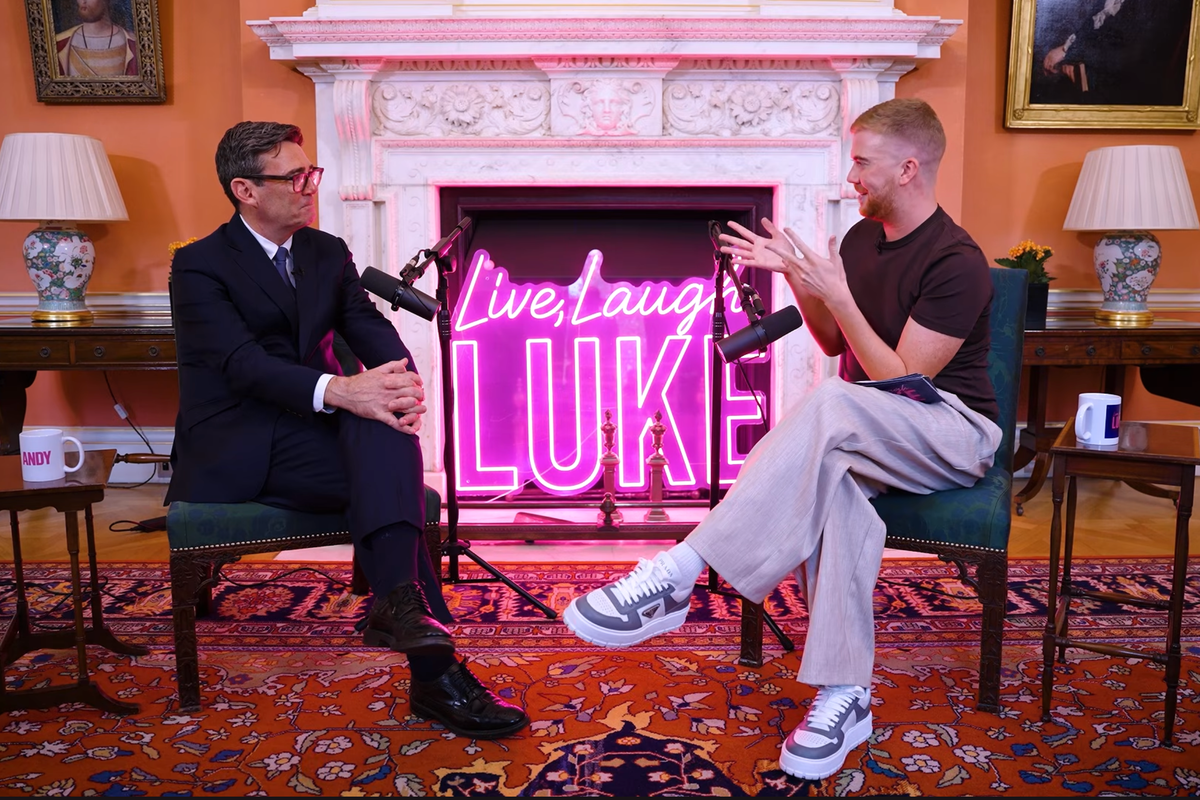
A fter a relatively smooth start to his premiership, Andy Burnham has come under heavy fire from political rivals and parts of the media for becoming the “ TikTok PM” . The “influencer circus” that has invaded Downing Street began with a cosy chat on Luke Hamnett’s podcast Live, Laugh, Luke, and was capped by the more controversial TikToker Max Balegde posting, then deleting, a video of himself on the doorstep of No 10 miming to a song with explicit and arguably misogynistic lyrics (“Bomboclaat / Pussy wagon / Chicken Nuggets”). Kemi Badenoch said she was “pretty shocked” by the clip; Nigel Farage called it “puerile and demeaning”.
Like Rishi Sunak and Keir Starmer before him, Burnham clearly understands where media power and influence now sit, and, many argue, is prioritising social media over traditional outlets. It’s true that Gen Z and Gen Alpha are far more likely to encounter a politician on TikTok or a podcast than on the evening news, and if politicians want to reach a younger electorate, they have to meet them where they are. Many analysts credit Donald Trump's 2024 presidential win, and his gains among young men in particular, to his appearances on the hugely popular podcasts Joe Rogan and Theo Von.
It’s why that race was nicknamed the “podcast primary”. So, I don’t think Burnham should be criticised for reaching out to influencers with young audiences; the clip of Balegde outside the front door of the PM’s official residence was online for three weeks before it was removed from TikTok . I’ve long argued that the prime minister needs to urgently prioritise the needs and voices of young people, and this felt like a step in that direction.
It was genuinely good to hear consent, neurodiversity and LGBTQ issues discussed – things important to lots of young people. Where Burnham is fair game, though, is in what these appearances reveal: the weakness of podcasts as a medium, and precisely why modern politicians love them so much. These are not Newsnight -style grillings, where a politician is raked over the coals, made to justify policy and pinned down by tricky follow-ups.
They are cosy chats built on access – far too gushy for my liking. The interviewer gets a bump in followers; the interviewee gets to bask in stress-free pleasantries. (Summary quote from Hamnett: “I really like you!”) Luke Hamnett isn’t making Jeremy Paxman sweat about his legacy any time soon. The people who don’t benefit from PM-podcast interviews are the electorate.
They may or may not have enjoyed the Burnham TikToks, but they are none the wiser about the things keeping us up at night: a deepening cost-of-living crisis, rising youth unemployment, underfunded schools, lengthening NHS waiting lists and more social strife than ever. To complicate the picture further, grown-up pundits have rushed to assume that young people hated Burnham’s social media appearances and found them "cringe”. That simply isn’t the case.
I’ve been in schools all week, and many of the students I spoke to really liked them. Their frustration was aimed less at Burnham, and more at Hamnett and the other influencers for failing to ask about youth unemployment and the value of higher education. This was especially notable in the wake of the Alan Milburn report, and as the number of 16- to-24-year-old Neets sails past a million.
That is the concern at the forefront of young minds, and Harriet, 15, summed it up: “It was lovely for Luke to be able to dance around No 10 and probably make a load of money, but I’d have liked it if he’d asked the PM what he was going to do about growing unemployment, and whether uni is still worth it.” But it’s also true that Gen Alpha and Gen Z have grown up getting their news, and their views, from social media and podcasters. Plenty found Burnham “genuine” (Lottie, 15), “really kind and quite truthful” (Reshma, 15) and liked “his positive outlook” (Callum, 15). Perhaps most tellingly, Caitlin, 16, found him “kind of cute – he has honest eyes and a nice smile”.
Critics who grew up watching politicians being torn to shreds by interviewers should remember that young people have come of age in a very different media and political landscape. For the past decade, the near-universal cry from the young has been that they feel unseen and unimportant to parties and prime ministers alike. Adults might not like it, but Burnham choosing TikTok over the Telegraph may be more method than madness.
None of this means politicians get a free pass. They should face tough questions from trained professionals, and often. And they should vet carefully which influencers they invite through the door.
But if we really want young people to invest in politics, in the country’s future and in turning out to vote, we shouldn’t criticise politicians for meeting them where they are.
Source: The Independent